
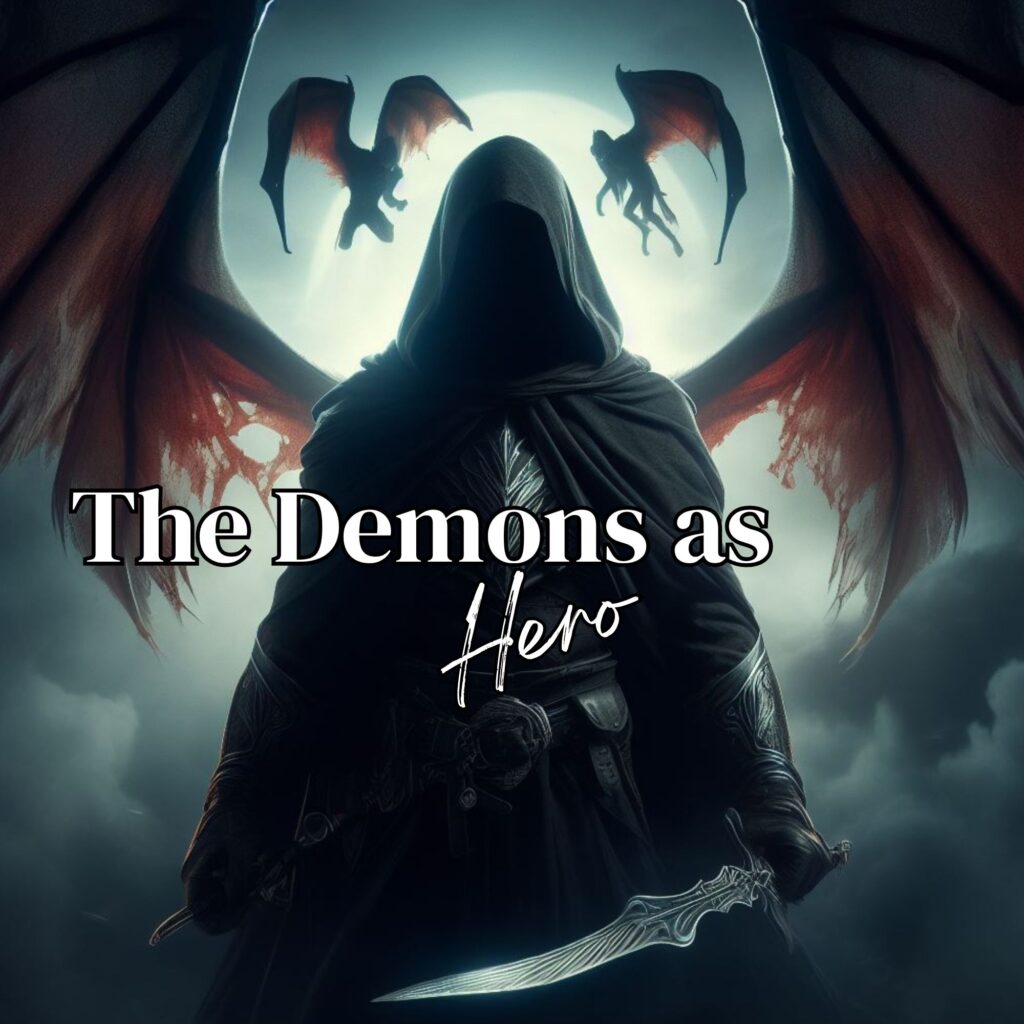
The Evolution of the Sublime Villain
In the modern landscape of paranormal romance and romantasy, the line between hero and villain is often blurred by a magnetic pull toward the dark. We find ourselves drawn to characters who represent rebellion, intensity, and a refusal to bow to celestial dictates. This shift from viewing the demon as a monster to seeing them as a tragic, heroic figure has its roots in the 17th century, specifically in the towering epic of John Milton.
The Miltonic Satan: The First Anti-Hero
When John Milton published Paradise Lost in 1667, he intended to justify the ways of God to men. However, he inadvertently created one of the most compelling characters in the history of English literature: Satan. Unlike the grotesque, beast-like depictions of demons found in medieval art, Milton’s Satan was sublime, a fallen prince characterized by immense pride, intellect, and a heartbreaking sense of loss.
As John Carey explores in his essay Milton’s Satan (1999), Milton gave his antagonist a voice that resonated with human ambition and defiance. Satan’s famous declaration, “Better to reign in Hell, than serve in Heaven,” transformed the demon from a mindless force of evil into a tragic figure of intellectual rebellion.
The Satanic School and the Romantic Re-imagining
In the late 18th and early 19th centuries, the Romantic poets (such as Percy Bysshe Shelley and Lord Byron) took Milton’s creation a step further. They formed what was colloquially known as the Satanic School of poetry. For the Romantics, the demon was the ultimate Byronic Hero, a brooder, an outcast, and a rebel against tyrannical authority.
They didn’t see the demon as a source of evil in the traditional sense, but as a symbol of the individual’s struggle against rigid, immaculate structures. This laid the foundation for the Romantic Anti-Hero. The thrill of the demonic character shifted from the fear of their power to the fascination with their Duality: the darkness they carry versus the depth of their passion.
The Demon in Romantasy: The Thrill of the Forbidden
Today, the Heroic Villain is a staple of both paranormal and dark romance. These characters often inhabit a gray space; they are dangerous, yes, but they also possess a fierce loyalty and a code of ethics that exists outside of conventional laws.
The allure of the demon in fiction often stems from their status as the ultimate outsider. In a world of strict academic or celestial rules, the fallen figure represents the freedom to be one’s true self, regardless of the cost. They are not monsters to be defeated, but complex beings whose shadows make the light of the story feel more visceral.
Research & Further Reading
- Milton, J. (2012). Paradise Lost: With bonus material from The Demonologist by Andrew Pyper (Kindle ed.). Simon & Schuster. (Original work published 1667).
- Carey, J. (1999). Milton’s Satan. In D. Danielson (Ed.), The Cambridge Companion to Milton (2nd ed.). Cambridge University Press.
- The Byronic Hero (British Literature OER): Exploring the evolution of the dark, brooding anti-hero in literature. Link to British Literature OER
- Milton’s Satan (Britannica): An analysis of the most controversial and compelling character in epic poetry. Link to Britannica
Want to step deeper into the shadows?
My books always begin with a single spark of history or a forgotten piece of lore, but the most personal parts of that journey never make it into the final manuscript.
If you want to go beyond the pages, I invite you to join my newsletter. Subscribers get my exclusive Behind the Veil notes—a personal look at the research, the late-night inspirations, and the secrets from my desk that shape the worlds I build.