
I’m back.
After a long hiatus from the blog, I’ve finally returned to this space. While I haven’t been away from the screen—the manuscript has been keeping my hands full and my coffee cup empty—I’ve missed the chance to share the deeper research that fuels the worlds
I build.
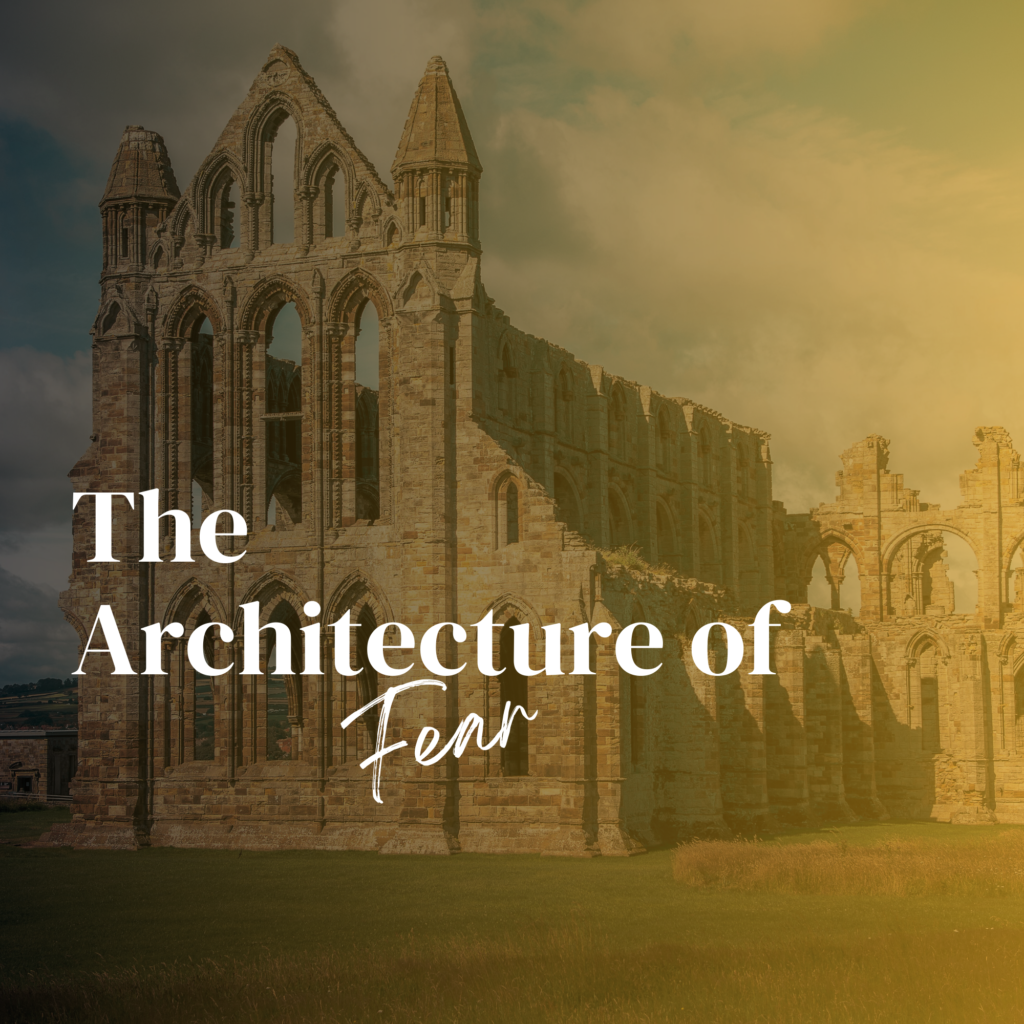
There’s something about the quiet of a long writing stretch that makes you look at the world differently—specifically the shadows. My recent travels have brought me face-to-face with some incredible, haunting history, and it felt like the perfect time to reopen the archives. This month, we’re exploring The Architecture of Fear, looking at why crumbling ruins and isolated manors are so much more than just a backdrop—they are the psychological pulse of the stories we love.
Why We Love Gothic Settings
In my recent travels to Port Arthur, I was reminded of why crumbling ruins and isolated manors are so vital to dark romance. These settings aren’t just backgrounds; they are characters that reflect the internal chaos of our protagonists. Whether it’s the “locked-room” tension of a haunted estate or the vast, unforgiving Tasmanian wilderness, a good setting traps the reader—and the heroine—in a place where the normal rules of society no longer apply.
This “Gothic Sublime” works by creating a sense of Awe—a mixture of terror and beauty. When a character enters a space like the Separate Prison at Port Arthur or a fictional decaying mansion, the architecture itself enforces a sense of powerlessness. High ceilings make us feel small; labyrinthine hallways mirror a confused mind; and “liminal spaces” like foggy moors or silent forests suggest that anything—supernatural or primal—could happen.
In Duality, I’m leaning heavily into these vibes. I want the environment to feel as suffocating and seductive as the romance itself. After all, a dark hero is much more effective when he’s the only lighthouse in a very dangerous storm.
Sources & Further Reading:
Want to step deeper into the shadows?
My books always begin with a single spark of history or a forgotten piece of lore, but the most personal parts of that journey never make it into the final manuscript.
If you want to go beyond the pages, I invite you to join my newsletter. Subscribers get early access to these articles, plus my exclusive Behind the Veil notes—a personal look at the research, the late-night inspirations, and the secrets from my desk that shape the worlds I build.